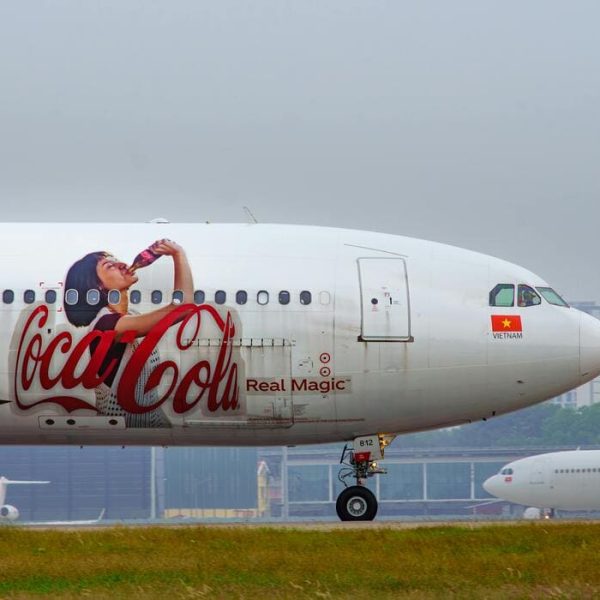
Think about the last advert that actually stuck with you. Chances are it did not lead with a feature list or a price. It told you something: a small story about a person, a problem, or a moment you recognised. That is brand storytelling at work, and it is the reason two companies selling almost identical products can inspire wildly different loyalty. A good story gives people a reason to care before they ever compare specifications, and in a crowded market caring is what separates a brand from a commodity.
What Brand Storytelling Actually Means
The phrase gets thrown around loosely, so it helps to be precise. A brand story is not your company history or your mission statement. It is the consistent narrative that explains why you exist, who you help, and what changes for them because you are around. The customer, not the company, is usually the hero. Your product is the thing that helps them win. This is the core idea behind the storytelling that marketers borrow from film and fiction, described in more depth in this overview of storytelling as a human tradition older than any business. Get the narrative right and everything from your homepage to your packaging starts to feel like it belongs together.
Why Stories Outperform Sales Pitches
People are wired to remember stories far better than facts in isolation. A statistic slides off the mind within minutes, but a story about the person that statistic represents tends to stay. Stories also create emotion, and emotion drives decisions that we later justify with logic. That is why a well-told brand story can command a higher price and survive the odd bad review. It builds a relationship rather than a transaction. That relationship is also what underpins loyalty over time, and if you want the practical side of keeping people around, this piece on customer retention shows how narrative and experience reinforce each other.
The Ingredients of a Story That Lands
Strong brand stories share a few traits. They have a clear protagonist, usually the customer, facing a real problem. They have tension, because a story with no obstacle is just an announcement. And they resolve in a way that feels earned rather than boastful. Specificity matters more than polish. A single honest detail about how your product was made, or the frustration that led you to build it, does more than a page of adjectives. The best content marketing takes that central story and expresses it in dozens of small ways, so a blog post, a product page, and a social clip all echo the same idea without repeating the same words.
Keeping the Story Consistent Everywhere
A story only works if it holds up across every touchpoint. When the website promises craft and the customer service feels careless, the narrative collapses. This gets harder as brands grow into new markets, because a story that charms one audience can confuse or offend another when it is translated carelessly. Plenty of household names have learned this the expensive way, as this rundown of global brand fails that prove the need for localization makes painfully clear. Consistency is not about repeating identical copy everywhere. It is about protecting the meaning while adapting the words.
Protecting that meaning across borders is exactly what professional localization services are built to do. They take a brand’s core story and reshape it for each market’s language, humor and cultural expectations without losing what made it work. Done well, the story still feels like the same brand everywhere while landing as if it were written locally. This is how companies grow internationally without their narrative falling apart in translation.
Brand storytelling borrows most of its technique from reporting: find the specific detail, establish the stakes, resist the urge to explain everything. The difference lies in the obligations attached, which is worth understanding before borrowing the form. This work in multimedia journalism is a good illustration of how those techniques operate under editorial discipline.
How to Find Your Own Brand Story
You do not invent a brand story from nothing, you uncover it. Start with the origin. Why did the founder bother? What annoyed them enough to build something? Then look at your customers and ask what they were really trying to achieve when they found you. Somewhere between those two answers sits your narrative. Write it down as a single paragraph in plain language, then test whether your team can retell it without reading. If they can, you have something durable. If they stumble, it is probably too clever or too vague to survive contact with real people. Marketing communities such as r/marketing are full of founders workshopping exactly this, and reading how others tighten their message is a fast way to sharpen your own.
Start Small and Stay Honest
You do not need a rebrand or a big budget to begin. Rewrite your homepage introduction so it leads with the customer and their problem rather than your list of services. Add one honest sentence about why you started. Then watch how people respond. The strongest brand storytelling almost never sounds like marketing at all. It sounds like a company that knows exactly who it helps and is comfortable saying so, which is rarer, and more persuasive, than any clever slogan.
A Common Mistake to Avoid
The biggest trap is making yourself the hero. It feels natural to talk about your awards, your growth, and your clever technology, but customers do not buy a story where they are a spectator. Turn it around. Cast the customer as the one who wins, and position your brand as the guide that helps them get there. A story told with that small shift in perspective is the difference between copy people skim and copy people believe.
Think about the last advert that actually stuck with you. Chances are it did not lead with a feature list or a price. It told you something: a small story about a person, a problem, or a moment you recognised. That is brand storytelling at work, and it is the reason two companies selling almost identical products can inspire wildly different loyalty. A good story gives people a reason to care before they ever compare specifications, and in a crowded market caring is what separates a brand from a commodity.
Think about the last advert that actually stuck with you. Chances are it did not lead with a feature list or a price. It told you something: a small story about a person, a problem, or a moment you recognised. That is brand storytelling at work, and it is the reason two companies selling almost identical products can inspire wildly different loyalty. A good story gives people a reason to care before they ever compare specifications, and in a crowded market caring is what separates a brand from a commodity.
What Brand Storytelling Actually Means
The phrase gets thrown around loosely, so it helps to be precise. A brand story is not your company history or your mission statement. It is the consistent narrative that explains why you exist, who you help, and what changes for them because you are around. The customer, not the company, is usually the hero. Your product is the thing that helps them win. This is the core idea behind the storytelling that marketers borrow from film and fiction, described in more depth in this overview of storytelling as a human tradition older than any business. Get the narrative right and everything from your homepage to your packaging starts to feel like it belongs together.
The phrase gets thrown around loosely, so it helps to be precise. A brand story is not your company history or your mission statement. It is the consistent narrative that explains why you exist, who you help, and what changes for them because you are around. The customer, not the company, is usually the hero. Your product is the thing that helps them win. This is the core idea behind the storytelling that marketers borrow from film and fiction, described in more depth in this overview of storytelling as a human tradition older than any business. Get the narrative right and everything from your homepage to your packaging starts to feel like it belongs together.
Why Stories Outperform Sales Pitches
People are wired to remember stories far better than facts in isolation. A statistic slides off the mind within minutes, but a story about the person that statistic represents tends to stay. Stories also create emotion, and emotion drives decisions that we later justify with logic. That is why a well-told brand story can command a higher price and survive the odd bad review. It builds a relationship rather than a transaction. That relationship is also what underpins loyalty over time, and if you want the practical side of keeping people around, this piece on customer retention shows how narrative and experience reinforce each other.
People are wired to remember stories far better than facts in isolation. A statistic slides off the mind within minutes, but a story about the person that statistic represents tends to stay. Stories also create emotion, and emotion drives decisions that we later justify with logic. That is why a well-told brand story can command a higher price and survive the odd bad review. It builds a relationship rather than a transaction. That relationship is also what underpins loyalty over time, and if you want the practical side of keeping people around, this piece on customer retention shows how narrative and experience reinforce each other.
The Ingredients of a Story That Lands
Strong brand stories share a few traits. They have a clear protagonist, usually the customer, facing a real problem. They have tension, because a story with no obstacle is just an announcement. And they resolve in a way that feels earned rather than boastful. Specificity matters more than polish. A single honest detail about how your product was made, or the frustration that led you to build it, does more than a page of adjectives. The best content marketing takes that central story and expresses it in dozens of small ways, so a blog post, a product page, and a social clip all echo the same idea without repeating the same words.
Strong brand stories share a few traits. They have a clear protagonist, usually the customer, facing a real problem. They have tension, because a story with no obstacle is just an announcement. And they resolve in a way that feels earned rather than boastful. Specificity matters more than polish. A single honest detail about how your product was made, or the frustration that led you to build it, does more than a page of adjectives. The best content marketing takes that central story and expresses it in dozens of small ways, so a blog post, a product page, and a social clip all echo the same idea without repeating the same words.
Keeping the Story Consistent Everywhere
A story only works if it holds up across every touchpoint. When the website promises craft and the customer service feels careless, the narrative collapses. This gets harder as brands grow into new markets, because a story that charms one audience can confuse or offend another when it is translated carelessly. Plenty of household names have learned this the expensive way, as this rundown of global brand fails that prove the need for localization makes painfully clear. Consistency is not about repeating identical copy everywhere. It is about protecting the meaning while adapting the words.
A story only works if it holds up across every touchpoint. When the website promises craft and the customer service feels careless, the narrative collapses. This gets harder as brands grow into new markets, because a story that charms one audience can confuse or offend another when it is translated carelessly. Plenty of household names have learned this the expensive way, as this rundown of global brand fails that prove the need for localization makes painfully clear. Consistency is not about repeating identical copy everywhere. It is about protecting the meaning while adapting the words.
Brand storytelling borrows most of its technique from reporting: find the specific detail, establish the stakes, resist the urge to explain everything. The difference lies in the obligations attached, which is worth understanding before borrowing the form. This work in multimedia journalism is a good illustration of how those techniques operate under editorial discipline.
Brand storytelling borrows most of its technique from reporting: find the specific detail, establish the stakes, resist the urge to explain everything. The difference lies in the obligations attached, which is worth understanding before borrowing the form. This work in multimedia journalism is a good illustration of how those techniques operate under editorial discipline.
How to Find Your Own Brand Story
You do not invent a brand story from nothing, you uncover it. Start with the origin. Why did the founder bother? What annoyed them enough to build something? Then look at your customers and ask what they were really trying to achieve when they found you. Somewhere between those two answers sits your narrative. Write it down as a single paragraph in plain language, then test whether your team can retell it without reading. If they can, you have something durable. If they stumble, it is probably too clever or too vague to survive contact with real people. Marketing communities such as r/marketing are full of founders workshopping exactly this, and reading how others tighten their message is a fast way to sharpen your own.
You do not invent a brand story from nothing, you uncover it. Start with the origin. Why did the founder bother? What annoyed them enough to build something? Then look at your customers and ask what they were really trying to achieve when they found you. Somewhere between those two answers sits your narrative. Write it down as a single paragraph in plain language, then test whether your team can retell it without reading. If they can, you have something durable. If they stumble, it is probably too clever or too vague to survive contact with real people. Marketing communities such as r/marketing are full of founders workshopping exactly this, and reading how others tighten their message is a fast way to sharpen your own.
Start Small and Stay Honest
You do not need a rebrand or a big budget to begin. Rewrite your homepage introduction so it leads with the customer and their problem rather than your list of services. Add one honest sentence about why you started. Then watch how people respond. The strongest brand storytelling almost never sounds like marketing at all. It sounds like a company that knows exactly who it helps and is comfortable saying so, which is rarer, and more persuasive, than any clever slogan.
You do not need a rebrand or a big budget to begin. Rewrite your homepage introduction so it leads with the customer and their problem rather than your list of services. Add one honest sentence about why you started. Then watch how people respond. The strongest brand storytelling almost never sounds like marketing at all. It sounds like a company that knows exactly who it helps and is comfortable saying so, which is rarer, and more persuasive, than any clever slogan.
A Common Mistake to Avoid
The biggest trap is making yourself the hero. It feels natural to talk about your awards, your growth, and your clever technology, but customers do not buy a story where they are a spectator. Turn it around. Cast the customer as the one who wins, and position your brand as the guide that helps them get there. A story told with that small shift in perspective is the difference between copy people skim and copy people believe.
The biggest trap is making yourself the hero. It feels natural to talk about your awards, your growth, and your clever technology, but customers do not buy a story where they are a spectator. Turn it around. Cast the customer as the one who wins, and position your brand as the guide that helps them get there. A story told with that small shift in perspective is the difference between copy people skim and copy people believe.